Thursday, May 2, 2024

How Much Does Hair Grow In a Month: 7 Factors That Affect Hair Growth Rate According to Experts Guide & Tips

how much does hair grow a month

Although hair loss or slowed hair growth is not life threatening, it can affect your self-esteem, mental health, and quality of life. Many factors — including genetics, sex, and age — can influence the speed of hair growth. For instance, if your hair tends to be dry, then “look for serums that contain oils to help hydrate the dry hair shaft,” says Dr. Shaver. Inversion therapy, as the name somewhat suggests, involves spending large periods of time upside down. For over two millennia, the act of inverting your body to the Earth has been used to significantly increase blood flow to the head, in addition to stretching the spine and relieving tension. This heavy blood flow to the head is also an effective way to clear out toxins, ensure nutrient delivery to the follicle beds, prevent further hair loss, and speed up hair growth.

Ways to promote healthy hair

Heat protectant shields your strands from heat damage that can often lead to hair breakage, split ends and dryness. Remember, the less damaged your strands are, the healthier and shinier they look, and the less often you’ll feel the need to run to the salon for a trim. Hair grows at about half an inch per month, and the hair on your head usually grows for about six years before falling out.

How To Do the Baggy Method on Natural Hair: Step-by-Step Tutorial

Another way of checking how much your hair has grown in a month is simply measuring it with a measuring tape if you have an even haircut. Anna Gora is a health writer at Live Science, having previously worked across Coach, Fit&Well, T3, TechRadar and Tom's Guide. She is a certified personal trainer, nutritionist and health coach with nearly 10 years of professional experience.

Here’s Exactly How Long It Takes To Grow Out Your Hair - Well+Good

Here’s Exactly How Long It Takes To Grow Out Your Hair.

Posted: Thu, 21 Mar 2024 07:00:00 GMT [source]

When to see a doctor about hair growth

Smoking is a personal choice, and we’re not here to judge, but we’d be lying if we said the act doesn’t affect your hair in some way. "Smoking restricts blood flow to the scalp and follicles, which, in turn, restricts the vital oxygen and nutrients that your hair and scalp need to be healthy," notes Bauman. Also, the toxins from smoking can seep into the hair follicles and cause disruption. The first three phases — anagen, catagen, and telogen — cover the growth and maturation of hair and the activity of the hair follicles that produce individual hairs.

How to maintain hair health during all four stages

The result is an estimate of how long your hair can potentially grow in that period. For instance, a healthy diet rich in proteins, vitamins, and minerals can promote hair growth. On the other hand, stress can slow down hair growth and even lead to hair loss. Therefore, maintaining a balanced diet and managing stress are crucial for optimizing your hair growth rate. This phase is the active growth phase for hair follicles, lasting anywhere from two to seven years. The Anagen phase is determined by genetics and can vary from person to person.

how much does hair grow a month

From DIY egg yolk treatments to using keratin-based products, keep reading for all their tips. A go-to hair growth helper for Reavey is dermarolling, a microneedling device that can be used at home. “It creates micro fractures in the skin and that makes the stem cells produce more growth hormones.

However, the calculator can provide a useful benchmark for your hair growth journey. Understanding this cycle is crucial for optimizing your hair growth and addressing hair growth concerns. For instance, if you’re experiencing excessive hair shedding, it could be due to a disruption in your hair growth cycle. For more insights into hair growth and hair loss, check out our Will I Go Bald Calculator. This tool can provide you with personalized predictions about your hair loss journey, helping you understand what to expect and how to prepare.

If so, you might be damaging your hair, making it harder to retain length. In this phase, old hair falls out, and new hair starts to grow in the follicles. The hairs don’t pop out spontaneously; your hair care and styling routines encourage this shedding to occur.

Your hair is in a constant state of growth and renewal, and it’s normal to shed hair each day, even as new hair grows. In your lifetime, each individual follicle will go through this cycle about times. The anagen phase (growth phase) lasts between two and eight years, which means this is how long a hair will continue to grow on your head. For example, the growth phase for eyebrow hair is only two to three months. On average, hair tends to grow between 0.5 and 1.7 centimeters per month. Your hair grows about six to eight inches over a year, expecting about three to five centimeters over seven months.

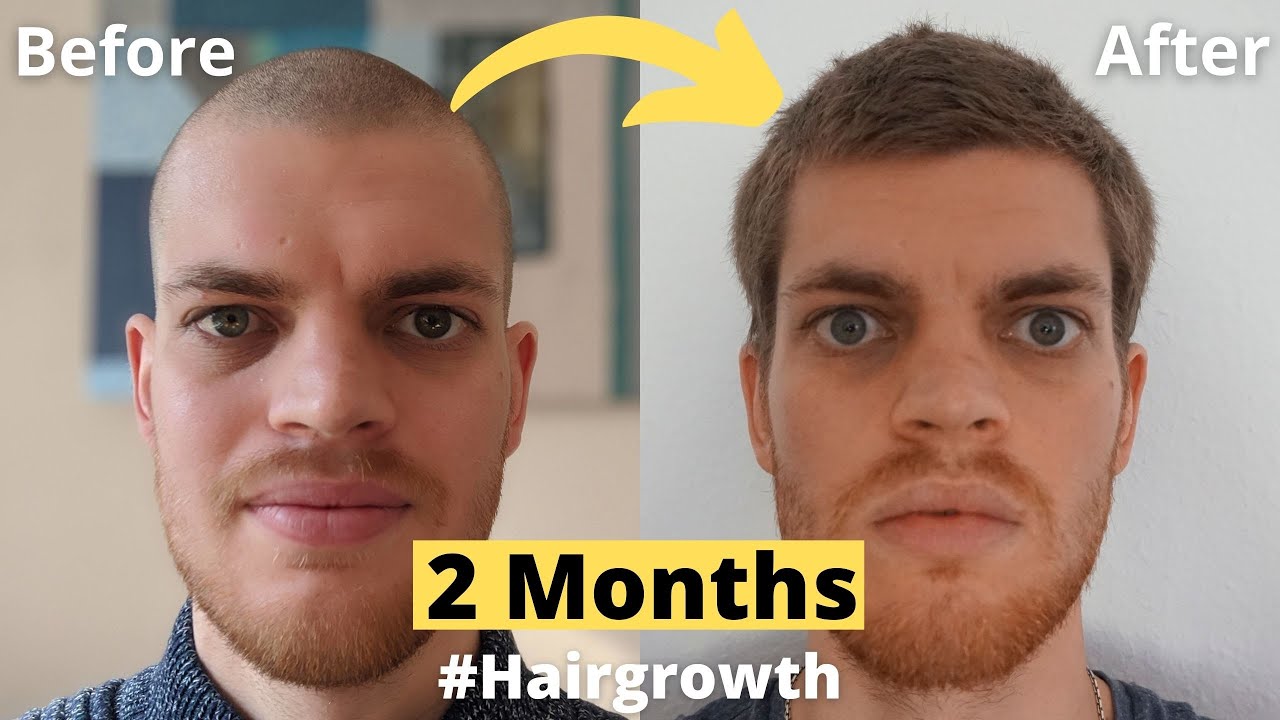
The quick answer is, on average, hair grows about ¼ inch to ½ inch a month, according to Bridgette Hill, certified trichologist and founder of Root Cause Scalp Analysis. Of course, this may vary from person to person, but if your hair (and scalp) are healthy, your hair should and will grow each month. If you style your hair with heat tools, it’s essential to use heat protectant prior to styling.

Hot tools like straighteners and curling wands dry out your hair, which can lead to breakage. Of course, the best thing for your hair is styling your hair with heatless hairstyles. One way to do this is by massaging your scalp with a product like Scalp Delight™ Scalp Massage Brush.

Embarking on the journey to grow short hair into longer locks requires patience and a strategic approach. This section will explore effective tips and practices to get you through the grow-out phase and get the longer hair you desire. Ultimately, this can be a good thing and may mean that more follicles are actively growing a few months down the line. Each product works to strengthen the hair from the inside out by reinforcing weak hair bonds that can result from heat styling or bleaching. Apply the pre-shampoo treatment on damp hair, leave it on for five to ten minutes and rinse. Experiencing periods of significant stress and trauma or going through a serious illness can increase hair loss.

Intensive treatment for fragile, damaged hair prone to split ends and breakage. Add 1/2 a cup of water to dilute the mixture (and make it less sticky). Apply the mask directly to dry, brushed hair, and leave it on for up to 30 minutes. Any unusual hair loss should be addressed with a doctor, no matter the time of year. If your scalp is slightly oily but your ends are not, try a dry shampoo in between washes. If you’re experiencing unexplained and/or severe hair loss, you should schedule a checkup with your doctor, as certain health conditions can cause hair loss.

Rapid cell replication is one of the hallmarks of cancer; however, hair follicle cells also grow and divide quickly. Consequently, the chemotherapy drugs usually inhibit hair growth.[16] The dose and type of medicine will determine the severity of hair loss. Once the course of chemotherapy has ended, new hair growth may begin after three to 10 weeks. The catagen phase, or the transitional phase, allows the follicle to renew itself (in a sense). During this time, which lasts about two weeks, the hair follicle shrinks due to disintegration and the papilla detaches and "rests," cutting the hair strand off from its nourishing blood supply. This will help your provider narrow down the root cause and tailor a treatment plan to re-grow your hair.

“For sensitive or acne-prone skin, either frequent pillowcase changes or wearing a hair bonnet after serum application may be helpful,” she says. That title may actually be a bit inappropriate, because the methods of speeding up hair growth are far from secrets! People have been managing their lifestyle, diet, and behaviors for thousands of years to alter the growth patterns and rates of their hair. Hard water can affect the rate of hair growth, so it is a good idea to add a filter to your home.

How Much to Tip Hairdressers and Hairstylists

how much do i tip at a hair salon

They strive to provide exceptional quality, and are open seven days per week. Rock Paper Salon has been voted the best hair salon experience for men by LA Weekly. Their services include cuts, root touch-ups, coloring, foils, blowouts, curling and straightening, and extensions. But beyond standard tipping rules, there’s a lot of gray area—which is exactly why we asked four celeb hairstylists all the questions you might feel too awkward to ask on your own. Hairstylists Anh Co Tran, Tanya Abriol, Nick Stenson, and Matthew Monzon give us the scoop on what you should really do if you’re running late or unsatisfied with your cut, how much to tip your hairdresser, and more.

How much should you tip a hairdresser for a $25 service?

how much do i tip at a hair salon

If something’s off, communicate before you reach for your wallet. Stylists often welcome the chance to make things right, turning a potential tip reduction into a deserving standard of gratitude. He says that about $20 to $30 would be pretty standard, depending on where you live.

How much should you tip your hairdresser?

Renegar points out the equality of time and effort a hairdresser puts in, irrespective of any discounts one might receive. Therefore, if I’m given a cut at a reduced price, the tip should reflect the true value of the service. In my experience, it’s pivotal to ask the salon’s policy on tipping. Some hairdressers will pool tips and distribute them to their assistants. But it’s always a good idea to clarify this because, at times, tipping individually might be the preferred or more impactful method.

Cash is Preferred

In these cases, I’ve learned it’s customary to maintain the standard 20% tip if you’re ultimately pleased with the outcome. It’s a sign of gratitude for the stylist’s time and expertise, especially when they’ve gone out of their way to make things right. Remember, their work isn’t just about cutting or coloring; it’s about providing a service that enhances your confidence and appearance. When visiting a salon, you’ll notice the bustling environment and the various people who contribute to your experience.

How Much to Tip for a Shampoo, Color, and/or Blowout

After all, she says, the professional still put in the time and effort and may not even realize there’s a problem. Heading to your appointment with a number in mind can alleviate that. This may influence which products we review and write about (and where those products appear on the site), but it in no way affects our recommendations or advice, which are grounded in thousands of hours of research. Our partners cannot pay us to guarantee favorable reviews of their products or services. Post says that most small business owners don't expect a tip, and if the owner is present in the salon, but didn't work on your hair, there's no reason to tip. If you do not tip, you may find yourself unable to get an appointment or get easily bumped for someone else.

How Much to Tip a Hairdresser

And while assistants are sometimes tipped out by their stylists, it’s still a nice gesture to pass a little something their way. Davis says that if they simply got you settled and washed your hair, $3 to $5 is sufficient. However, if they were a little more involved, say blowing out your hair or doing a gloss service, $10 is more appropriate. Impression Hair Salon is located in Los Angeles, California and is open seven days per week. They offer a full range of hair care services that includes Japanese straightening, air-waving, anti-aging coloring, and deluxe and premium treatments. They also provide extensions, wedding and special occasion styling, scalp treatments, and luxury massage shampoo treatments.

how much do i tip at a hair salon

Ugh. You hate your cut or color. Poor quality of service. Now what?

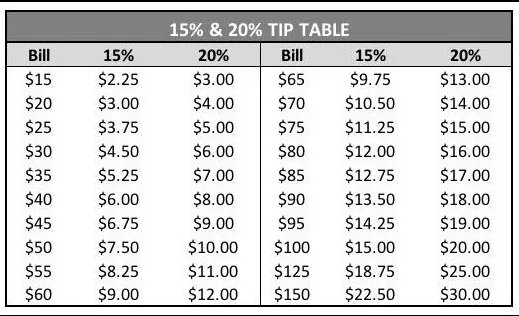
However, if the salon owner has gone above and beyond, don’t hesitate to increase the amount. If you’re unsure on exactly how to show your stylist how much you value them, we asked our panel to break it down to the basics. The usual gratuity for your stylist or colorist (yes, even if they are the owner) should be 15 to 20 percent of the service fee.

So if your haircut and blow-dry cost $40 total, and your color was $60, your total service cost comes to $100. That means you should tip $20 divided between the colorist and stylist. That said, if an assistant blow-dried or shampooed your hair, you should give them $4-$5 since they're likely getting paid minimum wage and really rely on tips. Look up prices before you go to gauge how much cash you might need to have on hand. Knowing how much to tip at a hair salon can be tricky—especially with the number of services and people involved. Here, etiquette experts reveal how much to tip hairdressers, stylists, colorists, and more.

How Much Should You Tip Your Stylist?Â

Stylists understand that you’re spending more by coming in often and don’t expect big tips every time. There’s a lot to be said for getting off on the right foot with a new stylist by leaving a good tip. But if you’re planning on coming in regularly after this visit, you may not want to leave such a large tip that your future tips seem cheap by comparison. If you’re visiting a new stylist and they really nail what you asked for, you’re probably feeling very appreciative. You’d like to leave a good tip, but plan on coming back often and don’t want to set the bar too high. You should still leave a 15% tip, or the amount you usually do.

Everybody loves looking and feeling their best after a trip to the salon. However, there might be times when things are tight, and it seems daunting to add a tip on top of the cost of the service. I know firsthand that it can be a sticky situation when you can’t afford an extra percentage for the stylist. Navigating the world of salon etiquette can sometimes feel like decoding a complex puzzle. ” It’s a great question, and truth be told, it’s about more than just numbers. Tipping is a subtle art that reflects appreciation for a stylist’s time and skill.

If you love your stylist, don’t forget to tip at least 20%. Stylists say they never forget their best tippers and they tend to go the extra mile to take great care of them. We’re talking extra add-ons at no charge, hair advice, free samples and more. The friendship and relationship you develop with your stylist can last a lifetime, so it’s important to nurture it and show your appreciation and respect for their craft. No one else in your life can analyze your hair, keep it healthy looking, and create a look perfectly suited for you. To break it down, let's say you meet in the middle and tip 20 percent.

Abrio adds, "Tips are a funny thing. I personally always tip according to my experience. I hate the percentage rule. It’s a good guideline, but a tip is a gift, and it’s such a personal situation." It's important to note that assistants aren't the norm in smaller salons and outside of big cities. High-end salons with a large clientele tend to hire assistants as a way to let a stylist book more appointments. If the assistant is washing your hair, this allows the stylist to have another client in their chair.

Remember owners are often the last ones to get paid, especially when the salon is new. Employees that do not work in a no-tip salon, make a percentage or hourly wage of the service amount. You will even find salons that straight up do not allow tips on cards. Generally speaking, salons do not want you to use a credit or debit card. Moreover, if someone other than the hairstylist is shampooing and conditioning your hair, you should tip them between $5 to $10. April (she/her) is the beauty director at Good Housekeeping, Prevention and Woman's Day, where she oversees all beauty content.

Most of these experts suggest leaving 15% to 20%, depending on the service and your satisfaction. Otherwise, even if your service wasn't the best, always tip something. "Use the standard 20% as a mental marker and you can go up or down from there," says Post, who says you can tip less if your experience wasn't quite how you expected it to be, or more for a phenomenal experience. Maggie Seaver is the digital health and wellness editor at Real Simple, with seven years of experience writing lifestyle and wellness content.

How Much Do You Tip a Hairdresser? - NerdWallet

How Much Do You Tip a Hairdresser?.

Posted: Thu, 14 Mar 2024 07:00:00 GMT [source]

Apart from offering hair care services and treatments, Impression Hair Salon also has its own academy that provides private and group hair cut lessons. Kim Sun Young Hair & Beauty is a full-service hair salon that offers its services in the Los Angeles area. The salon offers permanent wave styles and gives unique haircuts and hair colors to its clients. The company has been providing its services in South Korea for the past 50 years before it was established in America in 1990. Its founder, Kim Sun Young, used natural ingredients with kelp to create the first straight perm called the "panel straight."

Wednesday, May 1, 2024

Hair Transplantation: Process, Complications and Side Effects

what is a hair transplant

DHI, FUE, and FUT all involve taking follicles from one part of your scalp and implanting them into balding areas. Both DHI and FUE aim to achieve hair density and natural-looking results. While graft survival plays a role overall satisfaction encompasses aspects such as density, natural appearance and meeting initial expectations. Tiny incisions are made in the recipient area and each harvested hair follicle is delicately inserted into these incisions.

Anesthesia

Those who are interested in getting a hair transplant should thoroughly research the subject first and choose a skilled and experienced surgeon to carry out the treatment. One of the main disadvantages of FUSS transplants is that they typically lead to scarring around the donor site. The two most popular types of hair transplants are FUSS and FUE, which are outlined below. Other care instructions may include dressing for the surgical wounds, followed by topical treatment to prevent scarring.

Does insurance cover hair transplant surgery?

what is a hair transplant

The cost of hair transplantation around the world ranges between 5000 to dollars, while we find that the cost of hair transplants in countries such as Turkey ranges between 1850 to 2800 dollars. Hair transplant operations are considered one of the successful treatments to get rid of the problem of baldness. Its success rate ranges between 90 to 95 percent, and we see many patients who are satisfied with their results as long as they had it done by a doctor with sufficient experience. A hair transplant is considered a minimally invasive procedure, and the pain is minimal, so the recovery process is relatively fast. It can also correct failed hair transplants when there aren't more hair follicles to extract from the back of the head. According to the ASPS, there is a chance that some of the transplanted hair follicles will not “take.” These follicles die, and no new hair grows in their place.

What are the different types of hair transplant surgery?

what is a hair transplant

It may be covered in some instances if you’ve lost your hair from burns or trauma. The transplanted hair is distinguished by its survival for life, as it never falls out. This is because it is taken from the donor area, characterized by its resistance to the hormone that causes precipitation, which is DHT.

More on Hair Loss

What is the cost of a hair transplant? All you need to know with Vera Clinic - Arizona Daily Star

What is the cost of a hair transplant? All you need to know with Vera Clinic.

Posted: Thu, 04 Jan 2024 08:00:00 GMT [source]

Most people stay awake during the surgery, but they receive medication to numb the scalp. You may need several procedures depending on how much hair your provider needs to move. Your scalp will need to heal for a few months between procedures. Hair transplants are a treatment option for hair that is visibly thinning.

What are the costs involved with a hair transplant?

In 1897, Menahem Hodara successfully implanted hair taken from the unaffected areas of the scalp on to the scars that were left bald by favus. Their efforts did not receive worldwide attention at the time, and the traumas of World War II kept their advances isolated for another two decades. FUE is similar to FUT in that hair follicles are removed from the hairier area of your scalp and transplanted to the less hairy area of your scalp. But with FUE, each follicle is removed individually and then inserted into small holes made in the area of hair loss.

From Hats to Hope: A Life-Changing Hair Transplant Istanbul Journey - PhillyVoice.com

From Hats to Hope: A Life-Changing Hair Transplant Istanbul Journey.

Posted: Mon, 01 Apr 2024 07:00:00 GMT [source]

What are the different techniques for hair transplants?

It’s done by taking hair from thicker parts of the scalp, or other parts of the body, and grafting it to the thinning or balding section of the scalp. A 2020 study looked at how long hair transplants lasted for people who received a FUT transplant. Of the 112 participants, 81% reported positive results one year after the procedure.

Sometimes, a hair transplant can also be performed without shaving the donor or recipient areas. A hair transplant is an ultimate solution for people who have exhausted other hair loss treatment options. FUE hair transplants restore hair by replacing these old follicles with new follicles that are still able to grow hair. You’ll likely need to pay for a FUE hair transplant out of pocket because most health insurance plans don’t cover cosmetic procedures like this. The best candidate for a FUE hair transplant is someone with thinning hair or balding who still has enough hair nearby to use for a transplant. In general, you should avoid touching or rubbing your hair three days post-procedure.

Customer Care

Both the CDC and the FDA warn against treating this common childhood condition on your own with non-prescription treatments. Use of this website and any information contained herein is governed by the Healthgrades User Agreement. Side effects from a hair transplant are usually minor and clear up within a few weeks.

In most cases, a person will have thicker-looking hair after a successful hair transplant. However, they may continue to experience hair thinning and loss after the procedure, which can give the hair an unnatural or patchy appearance. For longer lasting results, people may require follow-up transplants.

When the hair follicles are grafted, they should be aligned in a way that mimics your natural hair growth. If the follicles are implanted poorly, it can lead to an appearance you’re unsatisfied with. FUE and DHI surgeries generally take about 8 hours to complete, but the exact time can vary depending on the number of hair follicles being transplanted. It can take 12 to 18 months to see the full results of the surgery.

You may also not be eligible for either procedure based on your hair volume or quality. In many cases, hair replacement is permanent, and no follow-up care is needed. Although, research shows that it's possible to experience some change. You should be able to return home soon after the procedure is done.

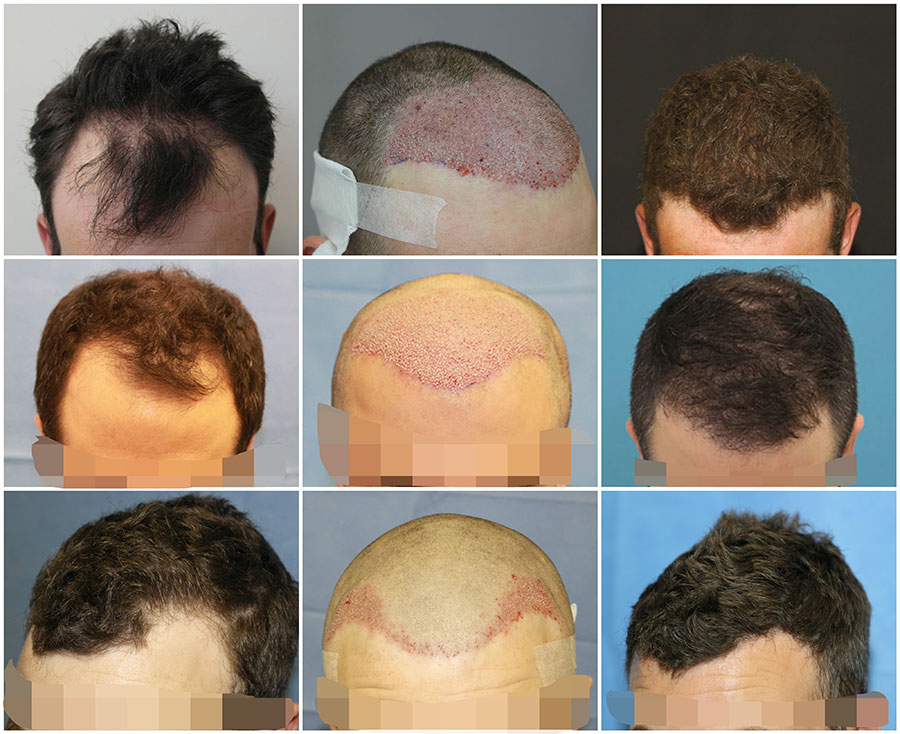
Hair transplants can produce hair growth by transplanting healthy follicles to a thinning or blending section of the head. Hair transplants are usually done as an out-patient visit at a location like a plastic surgeon's office, meaning you don’t need to stay at a hospital to get a hair transplant. You will be awake during the procedure, but your scalp will be numb so the procedure won’t be painful. Recovery can take place at home, and your care team will give you instructions for scalp aftercare and pain management. It’s typical for the transplanted hair to fall out 2 to 3 weeks after the procedure. Most people will see some new hair growth 8 to 12 months after surgery.

FUE Hair Transplant: What to Expect, Cost, Pictures, and More

what is a hair transplant

Each incision is planned so that intact hair follicles are removed. While closing the resulting wound, assistants begin to dissect individual follicular unit grafts, which are small, naturally formed groupings of hair follicles, from the strip. Working with binocular Stereo-microscopes, they carefully remove excess fibrous and fatty tissue while trying to avoid damage to the follicular cells that will be used for grafting.

When should I see my healthcare provider about a hair transplant?

They then implant the follicles into tiny slits on the affected area of the scalp. Usually, FUE is less invasive than FUSS, and there is a lower likelihood of experiencing complications, such as scarring or post-operative pain. Also, the hair follicles can be removed from several areas, rather than from one single site, so hair thickness at the donor sites is not affected.

What You Need to Know About Follicular Unit Transplantation (FUT)

Permanent hair loss can happen due to several reasons, including types of alopecia. If you feel self-conscious about your hair loss, you should speak with your doctor. There are medical conditions and medications that can cause hair loss as a side effect. You may need to rule out those outside factors before you are considered a candidate for a hair transplant. Both types of hair transplantation procedures are considered permanent.

what is a hair transplant

Patient Satisfaction:

FUT and FUE both involve transplanting individual hair follicles. During FUT surgery, a surgeon cuts a strip of skin from the back or side of your scalp and then extracts the hair follicles. In FUE surgery, your surgeon will remove individual hair follicles directly from your scalp, rather than first taking a strip of scalp skin. During FUT, a surgeon cuts a strip of skin from your scalp, usually from the back of your head. The exact size of the strip depends on the number of follicles needed to cover bald spots.

For women, aging and hormonal changes during menopause can cause hair loss. Additionally, tight hairstyles can lead to hair loss in a condition called traction alopecia. Other causes of hair loss for both men and women include trauma, dietary issues, underlying medical concerns, infections, and even an abnormal immune system. Once removed, hair follicles are prepared for placement by our highly-specialized team. During this time, you can sit back and relax with a book or your favorite TV show.

What is a microscopic follicular unit transplantation (MFUT)?

But like with most postsurgery recovery, you may experience discomfort or pain at the incision points as your body starts to heal and recover. Your medical team will likely discuss the best ways to manage pain and other ways to minimize the risk of negative side effects or reactions. A hair transplant is a procedure in which a plastic or dermatological surgeon moves hair to a bald area of the head. The surgeon usually moves hair from the back or side of the head to the front or top of the head. After they prepare the grafts, the surgeon cleans and numbs the area where the hair will go, creates holes or slits with a scalpel or needle, and delicately places each graft in one of the holes.

How Does a Transplant of Follicular Units Operate?

Vera Clinic Introduces Sapphire FUE Hair Transplant Technique in Turkey - USA TODAY

Vera Clinic Introduces Sapphire FUE Hair Transplant Technique in Turkey.

Posted: Thu, 10 Aug 2023 07:00:00 GMT [source]

All the experts agree that hair transplants should be the last step in your journey toward recovering your hair. "[I tend to consider] individuals who have done a degree of hair restoration or treatment series first," says Shann Christen, a celebrity hairstylist and trichologist based in Beverly Hills. "Putting the hair in its best and strongest condition prior to a transplant can help ensure a better outcome." It's important to note that some forms of hair loss are temporary, while others may be permanent — therefore, treatments can vary depending on the underlying causes. Hair loss and thinning hair are a normal part of aging, but they can also occur due to a medical condition or trauma to the scalp. Some people who experience hair loss may choose to have a hair transplant for cosmetic or reconstructive reasons.

After the Procedure

They’ll probably get help from other team members to plant the grafts, too. With FUSS, the surgeon removes a 6- to 10-inch strip of skin from the back of your head. Your surgeon may recommend flap surgery if you have large bald areas near the front of your scalp.

Everything to Know About a FUE Hair Transplant

The term "hair plugs for men" is still used conversationally, but the hair transplantation procedure of punch grafting is outdated. The old hair plug method used the equivalent of a surgical cookie cutter (3–4millimeters wide) to harvest and reimplant dozens of hair follicles at a time. The new FUE method creates less scarring than old-fashioned hair plugs because each follicular unit's extraction and transplantation surface area on the scalp is much smaller. The follicular units are dissected under a microscope and then placed into the recipient sites at the proper angle and orientation to match the natural growth direction of your hair. "This strip is dissected under a microscope into individual follicular units, which contain one to four hairs each," Dr. Doshi says.

However, after four years, most participants reported some reduction in hair density in the area where the transplant occurred. Although sometimes hair shaving or trimming is done during the procedure, some surgeons may ask you to shave or trim the hair on the donor site before you come to the office for the procedure. Before your surgery, you will likely have a consultation with your hair transplant surgeon to discuss your goals for surgery.

Some patients may need/want to undergo a second touch-up procedure to increase the density or possibly cover other areas. During a DHI hair transplant session, follicles are extracted as they usually would be in an FUE hair transplant. In the United States, a hair transplant can cost anywhere between $5000 and $16000.

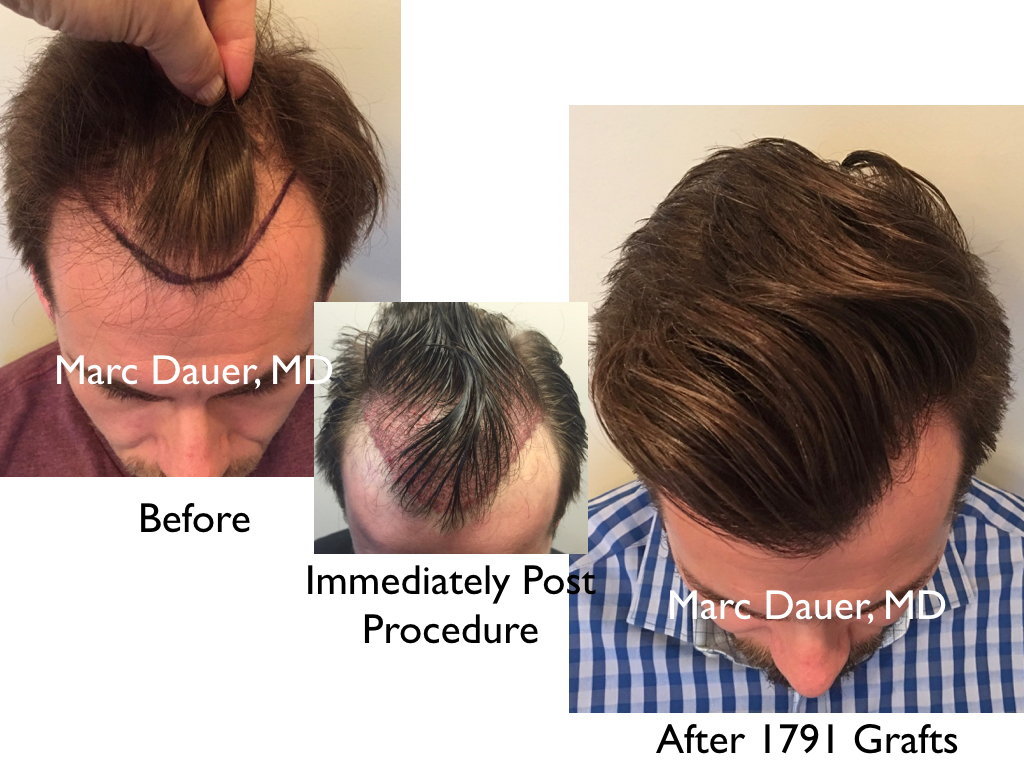
A hair transplant is a procedure that involves transplanting hair follicles from one area of the head (the “donor area”) to the thinning area (the “recipient area”). Healthy full-size vigorously growing follicles are moved from the donor scalp to thinning areas to increase the density of growing hair. The transplanted hair begins to grow two weeks after the hair transplant but quickly falls out during the first two months. The initial results of hair transplantation appear after six months, and after 8-9 months, a person can get the final result. Individuals over 19 can perform hair transplantation, provided they meet the conditions, such as having advanced baldness. The age of 25 years is considered the most suitable for hair transplantation, as the hair loss pattern is more precise and stable.

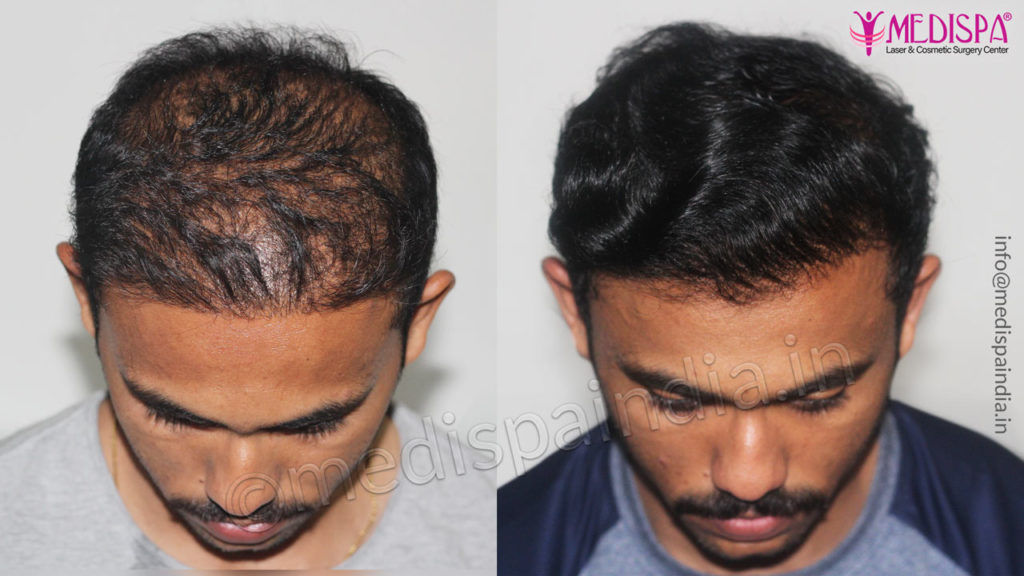
Hair transplants are an excellent solution for people suffering from excessive hair loss and have not gotten results with other treatments. The results of hair transplants are permanent and can be very natural looking if performed right. A  hair transplant is a medical procedure by which hair grafts are moved from a donor area to thinning or balding areas of the head and face.

How Much Does Hair Grow In a Month: 7 Factors That Affect Hair Growth Rate According to Experts Guide & Tips

Table Of Content Ways to promote healthy hair How To Do the Baggy Method on Natural Hair: Step-by-Step Tutorial When to see a doctor about h...