Table Of Content

DHI, FUE, and FUT all involve taking follicles from one part of your scalp and implanting them into balding areas. Both DHI and FUE aim to achieve hair density and natural-looking results. While graft survival plays a role overall satisfaction encompasses aspects such as density, natural appearance and meeting initial expectations. Tiny incisions are made in the recipient area and each harvested hair follicle is delicately inserted into these incisions.
Anesthesia
Those who are interested in getting a hair transplant should thoroughly research the subject first and choose a skilled and experienced surgeon to carry out the treatment. One of the main disadvantages of FUSS transplants is that they typically lead to scarring around the donor site. The two most popular types of hair transplants are FUSS and FUE, which are outlined below. Other care instructions may include dressing for the surgical wounds, followed by topical treatment to prevent scarring.
Does insurance cover hair transplant surgery?
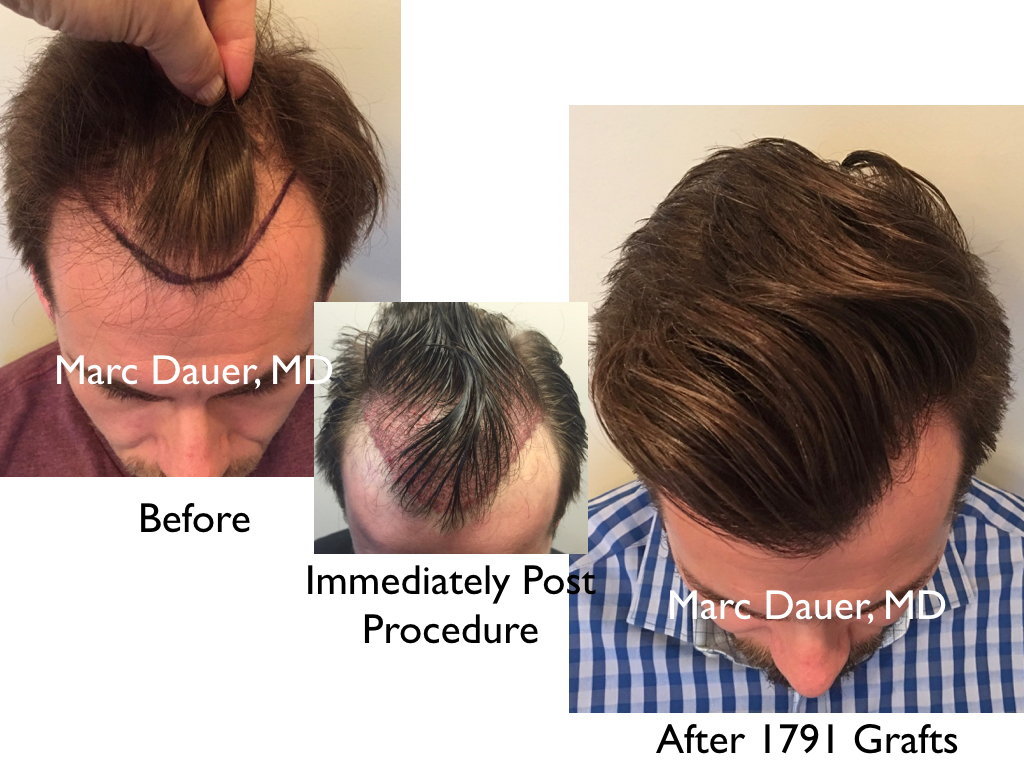
The cost of hair transplantation around the world ranges between 5000 to dollars, while we find that the cost of hair transplants in countries such as Turkey ranges between 1850 to 2800 dollars. Hair transplant operations are considered one of the successful treatments to get rid of the problem of baldness. Its success rate ranges between 90 to 95 percent, and we see many patients who are satisfied with their results as long as they had it done by a doctor with sufficient experience. A hair transplant is considered a minimally invasive procedure, and the pain is minimal, so the recovery process is relatively fast. It can also correct failed hair transplants when there aren't more hair follicles to extract from the back of the head. According to the ASPS, there is a chance that some of the transplanted hair follicles will not “take.” These follicles die, and no new hair grows in their place.
What are the different types of hair transplant surgery?
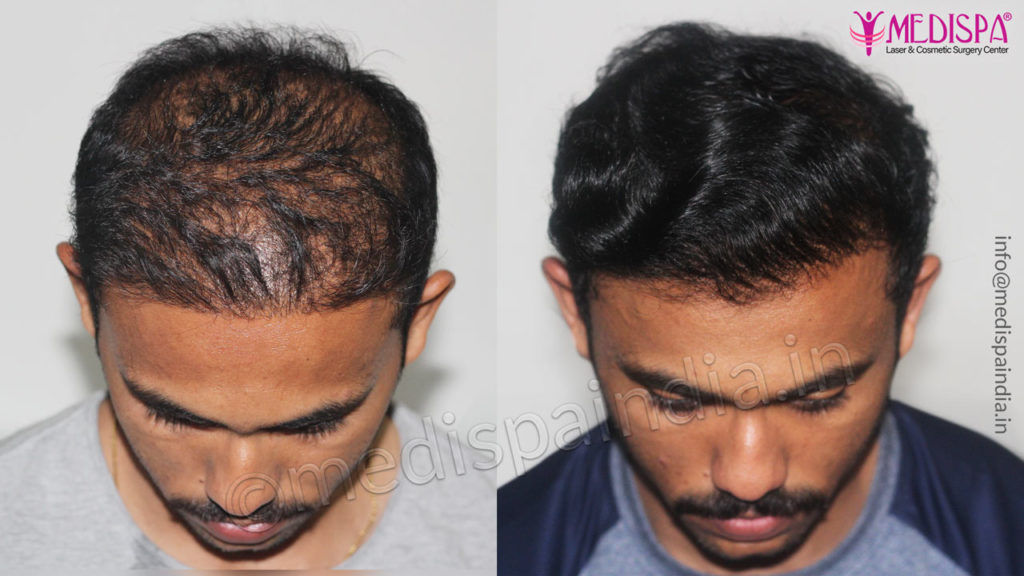
It may be covered in some instances if you’ve lost your hair from burns or trauma. The transplanted hair is distinguished by its survival for life, as it never falls out. This is because it is taken from the donor area, characterized by its resistance to the hormone that causes precipitation, which is DHT.
More on Hair Loss
What is the cost of a hair transplant? All you need to know with Vera Clinic - Arizona Daily Star
What is the cost of a hair transplant? All you need to know with Vera Clinic.
Posted: Thu, 04 Jan 2024 08:00:00 GMT [source]
Most people stay awake during the surgery, but they receive medication to numb the scalp. You may need several procedures depending on how much hair your provider needs to move. Your scalp will need to heal for a few months between procedures. Hair transplants are a treatment option for hair that is visibly thinning.
What are the costs involved with a hair transplant?
In 1897, Menahem Hodara successfully implanted hair taken from the unaffected areas of the scalp on to the scars that were left bald by favus. Their efforts did not receive worldwide attention at the time, and the traumas of World War II kept their advances isolated for another two decades. FUE is similar to FUT in that hair follicles are removed from the hairier area of your scalp and transplanted to the less hairy area of your scalp. But with FUE, each follicle is removed individually and then inserted into small holes made in the area of hair loss.
From Hats to Hope: A Life-Changing Hair Transplant Istanbul Journey - PhillyVoice.com
From Hats to Hope: A Life-Changing Hair Transplant Istanbul Journey.
Posted: Mon, 01 Apr 2024 07:00:00 GMT [source]
What are the different techniques for hair transplants?
It’s done by taking hair from thicker parts of the scalp, or other parts of the body, and grafting it to the thinning or balding section of the scalp. A 2020 study looked at how long hair transplants lasted for people who received a FUT transplant. Of the 112 participants, 81% reported positive results one year after the procedure.
Sometimes, a hair transplant can also be performed without shaving the donor or recipient areas. A hair transplant is an ultimate solution for people who have exhausted other hair loss treatment options. FUE hair transplants restore hair by replacing these old follicles with new follicles that are still able to grow hair. You’ll likely need to pay for a FUE hair transplant out of pocket because most health insurance plans don’t cover cosmetic procedures like this. The best candidate for a FUE hair transplant is someone with thinning hair or balding who still has enough hair nearby to use for a transplant. In general, you should avoid touching or rubbing your hair three days post-procedure.
Customer Care
Both the CDC and the FDA warn against treating this common childhood condition on your own with non-prescription treatments. Use of this website and any information contained herein is governed by the Healthgrades User Agreement. Side effects from a hair transplant are usually minor and clear up within a few weeks.
In most cases, a person will have thicker-looking hair after a successful hair transplant. However, they may continue to experience hair thinning and loss after the procedure, which can give the hair an unnatural or patchy appearance. For longer lasting results, people may require follow-up transplants.
When the hair follicles are grafted, they should be aligned in a way that mimics your natural hair growth. If the follicles are implanted poorly, it can lead to an appearance you’re unsatisfied with. FUE and DHI surgeries generally take about 8 hours to complete, but the exact time can vary depending on the number of hair follicles being transplanted. It can take 12 to 18 months to see the full results of the surgery.
You may also not be eligible for either procedure based on your hair volume or quality. In many cases, hair replacement is permanent, and no follow-up care is needed. Although, research shows that it's possible to experience some change. You should be able to return home soon after the procedure is done.
Hair transplants can produce hair growth by transplanting healthy follicles to a thinning or blending section of the head. Hair transplants are usually done as an out-patient visit at a location like a plastic surgeon's office, meaning you don’t need to stay at a hospital to get a hair transplant. You will be awake during the procedure, but your scalp will be numb so the procedure won’t be painful. Recovery can take place at home, and your care team will give you instructions for scalp aftercare and pain management. It’s typical for the transplanted hair to fall out 2 to 3 weeks after the procedure. Most people will see some new hair growth 8 to 12 months after surgery.



No comments:
Post a Comment