Table Of Content
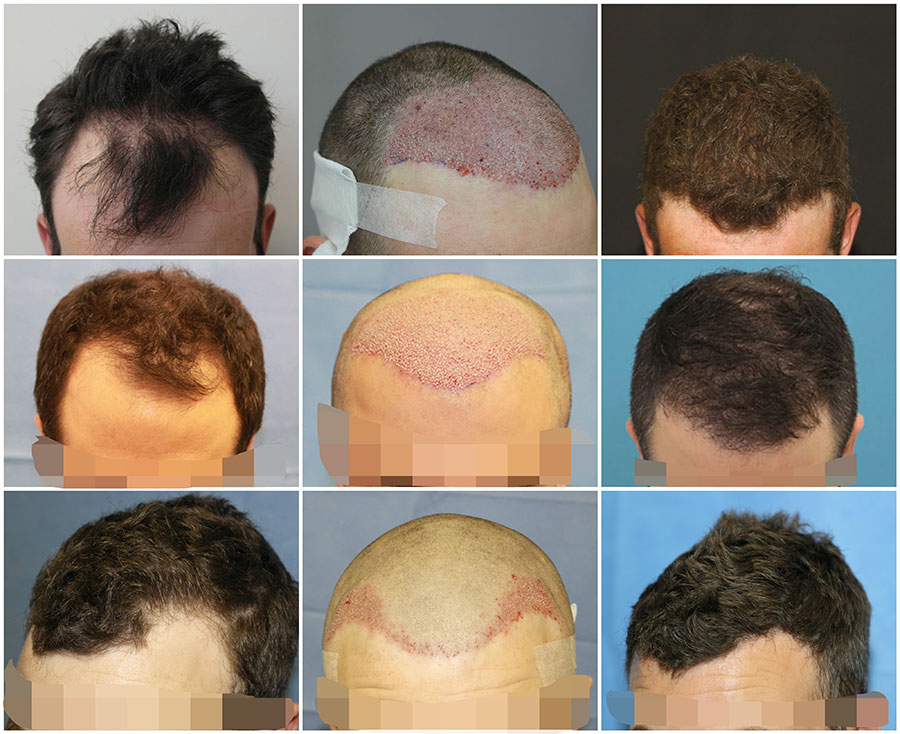
Each incision is planned so that intact hair follicles are removed. While closing the resulting wound, assistants begin to dissect individual follicular unit grafts, which are small, naturally formed groupings of hair follicles, from the strip. Working with binocular Stereo-microscopes, they carefully remove excess fibrous and fatty tissue while trying to avoid damage to the follicular cells that will be used for grafting.
When should I see my healthcare provider about a hair transplant?
They then implant the follicles into tiny slits on the affected area of the scalp. Usually, FUE is less invasive than FUSS, and there is a lower likelihood of experiencing complications, such as scarring or post-operative pain. Also, the hair follicles can be removed from several areas, rather than from one single site, so hair thickness at the donor sites is not affected.
What You Need to Know About Follicular Unit Transplantation (FUT)
Permanent hair loss can happen due to several reasons, including types of alopecia. If you feel self-conscious about your hair loss, you should speak with your doctor. There are medical conditions and medications that can cause hair loss as a side effect. You may need to rule out those outside factors before you are considered a candidate for a hair transplant. Both types of hair transplantation procedures are considered permanent.

Patient Satisfaction:
FUT and FUE both involve transplanting individual hair follicles. During FUT surgery, a surgeon cuts a strip of skin from the back or side of your scalp and then extracts the hair follicles. In FUE surgery, your surgeon will remove individual hair follicles directly from your scalp, rather than first taking a strip of scalp skin. During FUT, a surgeon cuts a strip of skin from your scalp, usually from the back of your head. The exact size of the strip depends on the number of follicles needed to cover bald spots.
For women, aging and hormonal changes during menopause can cause hair loss. Additionally, tight hairstyles can lead to hair loss in a condition called traction alopecia. Other causes of hair loss for both men and women include trauma, dietary issues, underlying medical concerns, infections, and even an abnormal immune system. Once removed, hair follicles are prepared for placement by our highly-specialized team. During this time, you can sit back and relax with a book or your favorite TV show.
What is a microscopic follicular unit transplantation (MFUT)?
But like with most postsurgery recovery, you may experience discomfort or pain at the incision points as your body starts to heal and recover. Your medical team will likely discuss the best ways to manage pain and other ways to minimize the risk of negative side effects or reactions. A hair transplant is a procedure in which a plastic or dermatological surgeon moves hair to a bald area of the head. The surgeon usually moves hair from the back or side of the head to the front or top of the head. After they prepare the grafts, the surgeon cleans and numbs the area where the hair will go, creates holes or slits with a scalpel or needle, and delicately places each graft in one of the holes.
How Does a Transplant of Follicular Units Operate?
Vera Clinic Introduces Sapphire FUE Hair Transplant Technique in Turkey - USA TODAY
Vera Clinic Introduces Sapphire FUE Hair Transplant Technique in Turkey.
Posted: Thu, 10 Aug 2023 07:00:00 GMT [source]
All the experts agree that hair transplants should be the last step in your journey toward recovering your hair. "[I tend to consider] individuals who have done a degree of hair restoration or treatment series first," says Shann Christen, a celebrity hairstylist and trichologist based in Beverly Hills. "Putting the hair in its best and strongest condition prior to a transplant can help ensure a better outcome." It's important to note that some forms of hair loss are temporary, while others may be permanent — therefore, treatments can vary depending on the underlying causes. Hair loss and thinning hair are a normal part of aging, but they can also occur due to a medical condition or trauma to the scalp. Some people who experience hair loss may choose to have a hair transplant for cosmetic or reconstructive reasons.
After the Procedure
They’ll probably get help from other team members to plant the grafts, too. With FUSS, the surgeon removes a 6- to 10-inch strip of skin from the back of your head. Your surgeon may recommend flap surgery if you have large bald areas near the front of your scalp.
Everything to Know About a FUE Hair Transplant
The term "hair plugs for men" is still used conversationally, but the hair transplantation procedure of punch grafting is outdated. The old hair plug method used the equivalent of a surgical cookie cutter (3–4millimeters wide) to harvest and reimplant dozens of hair follicles at a time. The new FUE method creates less scarring than old-fashioned hair plugs because each follicular unit's extraction and transplantation surface area on the scalp is much smaller. The follicular units are dissected under a microscope and then placed into the recipient sites at the proper angle and orientation to match the natural growth direction of your hair. "This strip is dissected under a microscope into individual follicular units, which contain one to four hairs each," Dr. Doshi says.
However, after four years, most participants reported some reduction in hair density in the area where the transplant occurred. Although sometimes hair shaving or trimming is done during the procedure, some surgeons may ask you to shave or trim the hair on the donor site before you come to the office for the procedure. Before your surgery, you will likely have a consultation with your hair transplant surgeon to discuss your goals for surgery.
Some patients may need/want to undergo a second touch-up procedure to increase the density or possibly cover other areas. During a DHI hair transplant session, follicles are extracted as they usually would be in an FUE hair transplant. In the United States, a hair transplant can cost anywhere between $5000 and $16000.
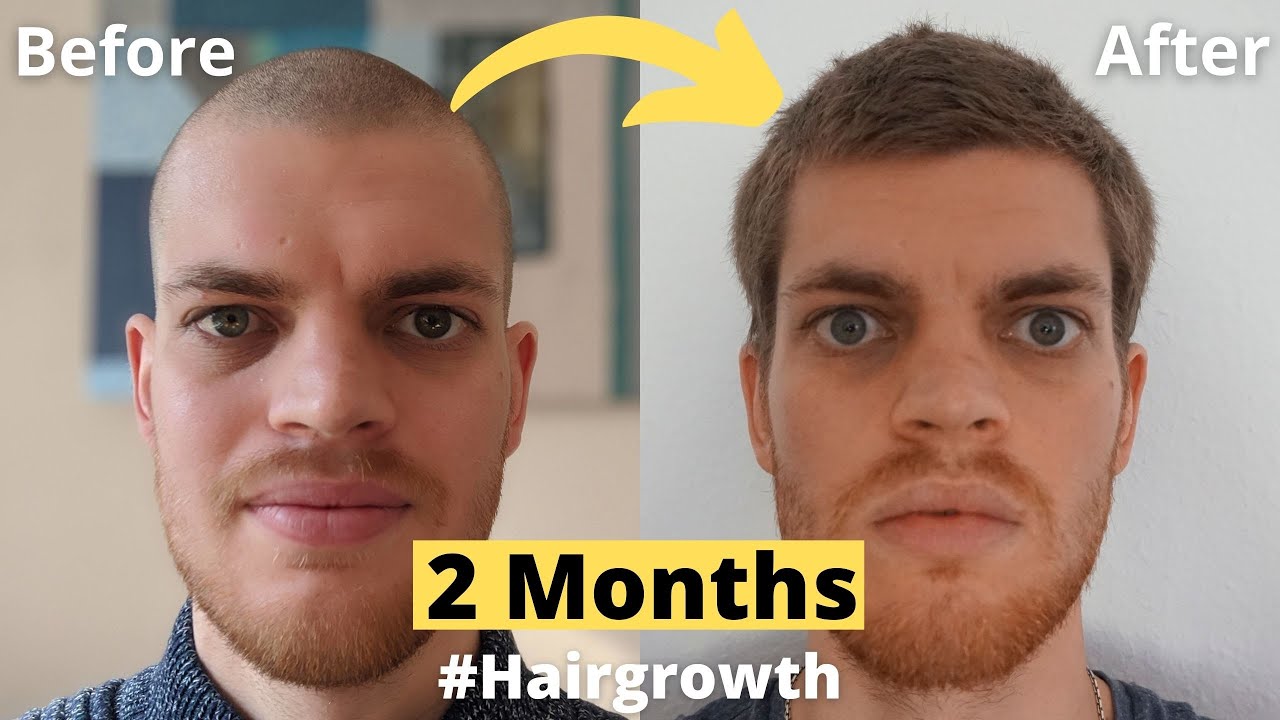
A hair transplant is a procedure that involves transplanting hair follicles from one area of the head (the “donor area”) to the thinning area (the “recipient area”). Healthy full-size vigorously growing follicles are moved from the donor scalp to thinning areas to increase the density of growing hair. The transplanted hair begins to grow two weeks after the hair transplant but quickly falls out during the first two months. The initial results of hair transplantation appear after six months, and after 8-9 months, a person can get the final result. Individuals over 19 can perform hair transplantation, provided they meet the conditions, such as having advanced baldness. The age of 25 years is considered the most suitable for hair transplantation, as the hair loss pattern is more precise and stable.
Hair transplants are an excellent solution for people suffering from excessive hair loss and have not gotten results with other treatments. The results of hair transplants are permanent and can be very natural looking if performed right. A hair transplant is a medical procedure by which hair grafts are moved from a donor area to thinning or balding areas of the head and face.



No comments:
Post a Comment